Review · ST THOMAS TOURS
PADI / SSI Open Water Certification
St. Thomas makes learning scuba feel like a real adventure. This three-day certification course combines online study, confined-water practice, and boat-based training around the reefs and wrecks near the island. I especially like the small maximum group of eight, which gives an instructor room to watch each student closely. I also like that all training gear, bottled water, soft drinks, and snacks are supplied.
The main catch is the schedule. The advertised booking is for one open-water boat trip, but you must also arrange an early pool session and a second boat day. You need to contact Aqua Marine Dive Center after booking so the pieces fit together. The online learning is also separate, takes about six to 12 hours, and must be finished before in-water instruction begins.
In This Review
- Key things to know before you book
- What the $795 course actually includes
- Before St. Thomas: finish the online course
- The early pool session builds confidence
- Two boat days complete the certification
- Why the small class size matters
- What the underwater experience may be like
- The instructors are the heart of the course
- Timing, health, and flight planning
- Who should book this St. Thomas course?
- Should you book it?
- FAQ
- How long does the certification course take?
- Is online learning included in the price?
- What certification systems are available?
- Where does the course meet?
- What age must a student be?
- How long should I wait before flying?
Key things to know before you book
- Three half-days in the water: Plan on at least one pool session and two boat days, or roughly a day and a half of actual in-water work.
- PADI, SSI, and SDI options: You can pursue the certification system that best fits your plans, but confirm your preference when arranging the course.
- Small class size: The course is limited to eight people, a useful advantage for first-time students who need calm, direct instruction.
- Online study comes first: The e-learning is not included in the $795 price and should be completed well before the pool session.
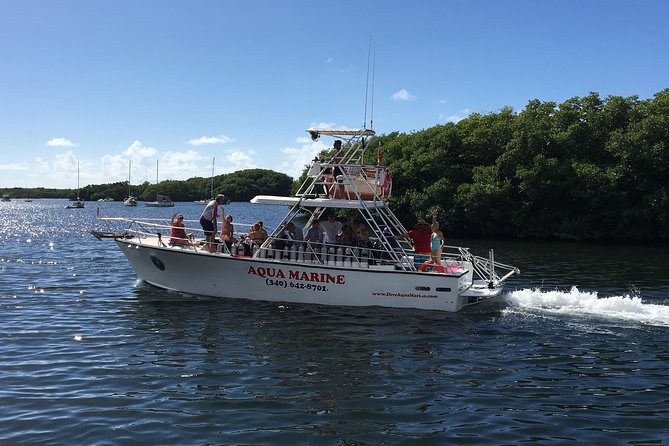
- Boat days begin at Saga Haven Marina: The listed meeting point is Saga Haven Marina, St. Thomas 00802, with the activity ending back there.
- Plan around your flight: You are advised to allow at least 18 hours between your final underwater session and flying.
What the $795 course actually includes
At $795 per person, this is not a quick introductory swim with a tank. It is a full certification program, provided you complete every academic and practical requirement. The price includes a professional instructor, all equipment needed for training, and refreshments on the boat days.
That equipment matters. Buying or renting a mask, fins, buoyancy equipment, regulator, tank, and related gear separately would add cost and hassle. For a first certification, using equipment supplied by the center also lets you focus on learning rather than assembling a kit of your own.
The course does not include PADI or SSI online materials. SDI is also available according to the course information, so ask Aqua Marine how its academic materials are handled if you choose that route. Hotel pickup and drop-off are not included either. You are responsible for reaching the marina.
I consider the price reasonable for a proper certification course in a small class, but only if you are ready to commit the time. If you want a one-hour taste of underwater breathing, this is the wrong product. If you want a recognized qualification and expect to use it on future trips, the cost has better long-term value.
A few more St Thomas trips worth comparing
- Turtle Cove Catamaran Snorkel and Sail at Little Buck Island STT
★ 5.0 · 2,100 reviews - Snorkel St. John Tour from Sapphire and Margaritaville
★ 5.0 · 1,874 reviews - Night Kayak Tour St. Thomas – Westin Frenchman’s Reef
★ 5.0 · 1,813 reviews
Before St. Thomas: finish the online course
Your first classroom is wherever you have a quiet internet connection. The online material covers the basic knowledge needed before you handle equipment in the water. It usually takes six to 12 hours, so do not leave it for the night before your scheduled pool session.
You can arrange the e-learning yourself through the PADI course page, or ask Aqua Marine to help assign it. The course description says this material must be complete before in-water training starts. That rule is practical: pool time should be used for skills, not for rushing through basic theory.
I recommend completing the online work several days before you arrive in St. Thomas. That gives you time to review anything unclear and leaves room for a technical problem, a busy vacation schedule, or a long travel day. You will be calmer in the pool if the material is already familiar.
The online component also helps you decide if certification is right for you. Open-water scuba requires comfort in the water, steady attention, and a willingness to follow safety steps carefully. It is an exciting activity, but it is not passive sightseeing.
The early pool session builds confidence
After the online work, you arrange the confined-water portion with Aqua Marine. The information describes this as an early morning pool session, although the general meeting details list a 1 pm start time for the activity. Treat the schedule as something to confirm directly, not as a fixed three-day timetable.
The pool is where you learn the basic routines in a controlled setting. You get familiar with the equipment, practice essential skills, and learn how to respond when something feels awkward. That controlled setting is especially important for a first-timer who is still getting used to breathing through a regulator.
The instructors praised most often for this kind of teaching include Kyle, Steph, Erica, and Jaime. The consistent picture is of patient instruction, careful explanations, and a reassuring manner when students feel nervous. One student specifically credited Kyle with explaining each step thoroughly and keeping the session calm. Another described Steph as helpful during a mask problem.
That is the sort of support you want at this stage. A good instructor does not simply demonstrate a skill and move on. They watch your technique, explain what needs changing, and let you repeat it until it feels manageable.
The pool session is described as effective rather than leisurely. You should expect focused practice, not a resort-style swim. Students must be comfortable and capable in open water without assistance, and the course calls for a moderate level of physical fitness.
Two boat days complete the certification
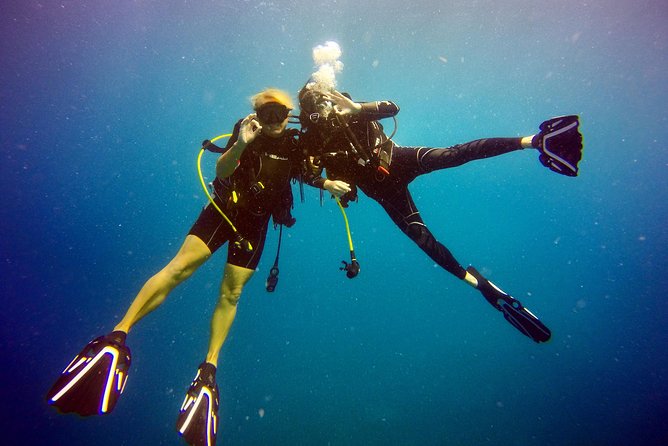
The open-water portion requires two separate boat trips. You will perform the required training skills in the sea, under the supervision of your instructor, while also getting your first look at the underwater sites around St. Thomas.
This arrangement is useful because the first boat day is not the end of the course. You have another day to refine your skills and finish the remaining requirements. That extra time can be valuable if you need more practice with buoyancy, mask clearing, equipment checks, or other basic tasks.
The course requires at least four open-water training sessions overall, spread across the two boat days. The exact sites depend on conditions and the day’s plan. St. Thomas offers reefs and wrecks, but no operator can promise a particular animal, visibility level, or site on a given morning.
That point matters. One account described a shallow first session around 30 feet at Christmas Cove, with poor visibility and no turtles appearing over the grassy, sandy bottom. The center explained that marine life and visibility can change from day to day. You should treat wildlife as a bonus, not as part of the certification guarantee.
The boat portion includes bottled water, soft drinks, and snacks. Those are small details, but they are welcome during several hours on the water. Bring anything else you personally need, since hotel transport and other extras are not part of the package.
The boat returns to the same general meeting point at Saga Haven Marina. Since no hotel pickup is offered, allow time to reach the marina and locate the correct departure area. Public transportation is nearby, but the supplied information does not specify a transfer service.
Same islands, a completely different day:
- Tree Limin’ Extreme Zipline
★ 5.0 · 1,713 reviews - Afternoon Snorkel, Pizza & Sunset Tour departing from St. Thomas & St. John
★ 5.0 · 1,498 reviews - Parasail Experience in St Thomas
★ 5.0 · 1,215 reviews - Sunset & Harbor Lights Dinner Sail from the Marriott’s Frenchman’s Cove
★ 5.0 · 1,176 reviews
Why the small class size matters
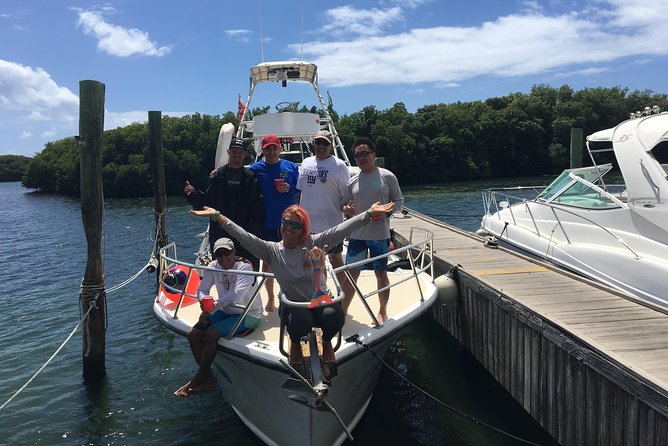
A maximum of eight people gives this course a more personal feel than a large training group. You still share the instructor’s attention, but the class is small enough for direct corrections and questions.
For a confident swimmer, that may simply make the lessons efficient. For someone who feels uneasy with the equipment, it can make the difference between pressing ahead and needing extra time. The strongest feedback focuses on instructors who created a safe, relaxed atmosphere without treating safety casually.
That balance is important. The staff have been praised for being friendly, upbeat, and fun, while also taking procedures seriously. The boats have been described as clean and well maintained, and the crew as attentive to comfort and safety.
The course is suitable for families as well. The minimum age is 10, and children must be accompanied by an adult. Several young students completed certification with help from instructors who adjusted their teaching to the child’s pace. Still, a parent should judge a child’s swimming ability and comfort in open water honestly. Age alone does not guarantee readiness.
What the underwater experience may be like
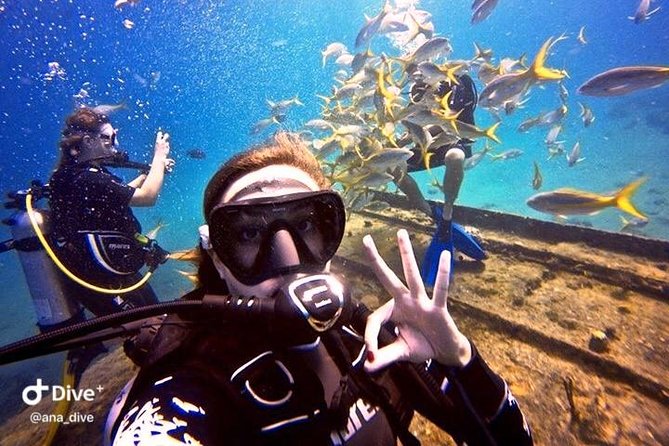
St. Thomas is the setting, but the course’s first goal is certification. You will not spend every minute looking for colorful fish. Some of your time underwater will be devoted to practicing required skills, checking equipment, and showing your instructor that you can manage yourself safely.
That is not a flaw. These exercises are what turn a pleasant first experience into a qualification you can use elsewhere. The reefs and wrecks provide a memorable setting for the lessons, but the instructor must focus on your control and safety.
Conditions can also vary. Water clarity, current, depth, and marine life are not fully predictable. A shallow site may be chosen because it suits training needs or because conditions make it the sensible option that day. If you are hoping for turtles, sharks, or a particular wreck, keep your expectations flexible.
Some accounts describe seeing impressive marine life, including a calm shark, while another found the visibility disappointing. Both possibilities fit the nature of sea conditions. The center’s response to the less favorable outing was sensible: conditions and animal sightings do not always cooperate.
You will get more from the experience if you pay attention to the skills rather than chasing a perfect underwater postcard. Once certified, you can return for recreational outings with a stronger foundation.
The instructors are the heart of the course
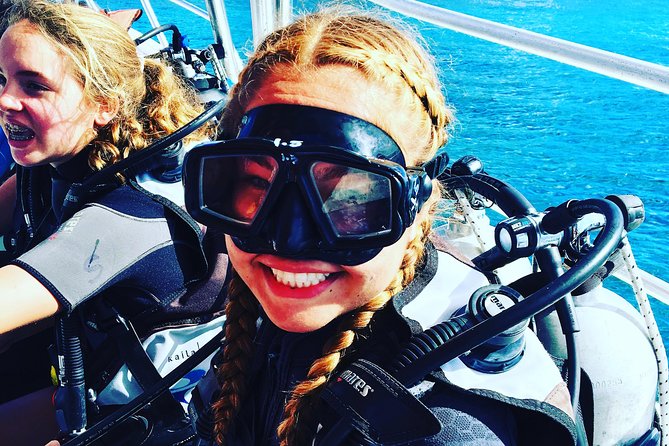
The equipment and boats matter, but teaching quality is the deciding factor for a beginner. Here the strongest praise goes to the staff’s patience, clear explanations, and ability to settle nervous students.
Kyle is repeatedly singled out as calm and thorough. Steph, also identified as Stephanie in some accounts, is praised for helping students feel at ease in both the pool and the sea. Erica is described as encouraging while still maintaining clear standards, and Jaime is praised for careful teaching and practical pointers.
You should not assume you can request one particular instructor, since staffing depends on the schedule. You can, however, explain your experience level and any concerns when arranging the pool and boat sessions. If you are nervous about masks, breathing, deep water, or learning as a family, say so early.
The staff’s broad experience also appears useful for returning students. The center handles advanced and rescue certification as well as beginner training, so the same operation can potentially support your next stage after you earn Open Water status.
Timing, health, and flight planning
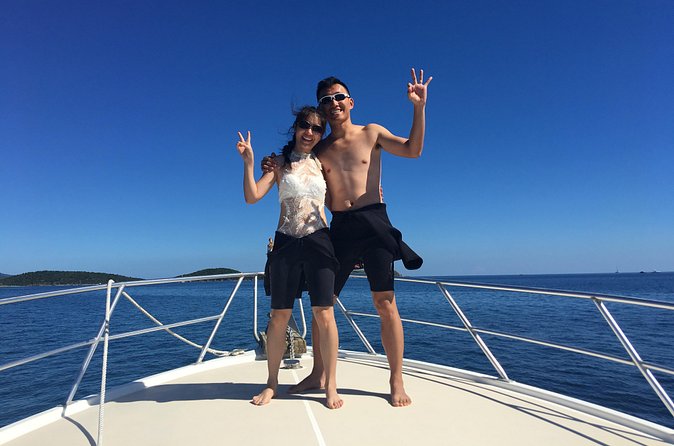
The course is listed as approximately three days, but the actual requirement is at least three half-days in the water. The pool session and the two boat days must be scheduled with the operator. Do not book a tightly packed vacation itinerary around the assumption that everything happens at one fixed hour.
The listing shows a 1 pm start time, while the pool session is described as early morning. Contact Aqua Marine before arrival to confirm the exact meeting times for every portion. This is especially important if you are visiting on a cruise schedule or have limited days on the island.
All students complete a standard Diver Medical Questionnaire on arrival. You are advised to review it ahead of time because some medical conditions may require written approval from a doctor. Do not wait until the morning of training to discover that additional clearance is needed.
You must also allow at least 18 hours after diving before flying. For a three-day course, schedule the final boat session early enough to protect that window. If you are flying home soon after the course, ask the operator how the timing can work before paying.
Who should book this St. Thomas course?
I would recommend it to a capable swimmer who wants a real scuba qualification, not just a brief trial. It suits couples, families with older children, and visitors who have already completed the online material and want to use their vacation for practical training.
It is also a good fit if you value patient instruction and a small group. The repeated praise for Kyle, Steph, Erica, Jaime, and the wider crew suggests that personal support is one of Aqua Marine’s strongest features.
I would be more cautious if you dislike fixed safety routines, feel uncomfortable in open water, or have only one free afternoon. The course cannot be squeezed into a casual shore excursion. You need study time, a pool session, two boat days, and enough flexibility for weather.
The non-refundable policy also deserves attention. If you cancel or request a change, the amount paid is not refunded. Poor weather or failure to meet the minimum group size are exceptions, with a new date or full refund offered in those cases. Since the booking is firm, confirm your vacation dates, health requirements, and flight plans first.
Should you book it?
Book this course if earning certification is a serious goal and you can give it at least three half-days in the water. The $795 price covers the main practical costs, the equipment, professional instruction, boat sessions, and basic refreshments. The small class size and consistently praised teaching make it a strong choice for a first qualification.
I would not book it simply because you have an empty afternoon in St. Thomas. Complete the online work early, arrange all three in-water sessions, and leave 18 hours before your flight. If you do that planning, this course gives you more than a holiday activity: it gives you a skill you can carry to future reefs, wrecks, and coastlines.
FAQ
How long does the certification course take?
The course takes approximately three days and requires at least three half-days in the water. This includes a confined-water pool session and two open-water boat days.
Is online learning included in the price?
No. PADI or SSI e-learning materials are not included in the $795 price. The online course usually takes six to 12 hours and must be completed before in-water training begins.
What certification systems are available?
PADI, SSI, and SDI qualifications are available. Contact Aqua Marine Dive Center to confirm your preferred certification system and arrange the required online material.
Where does the course meet?
The meeting point is Saga Haven Marina, St. Thomas 00802, USVI. The activity ends back at the meeting point, and hotel pickup and drop-off are not included.
What age must a student be?
The minimum age is 10. Children must be accompanied by an adult, and all students must be able to swim comfortably and capably in open water without assistance.
How long should I wait before flying?
You are advised to allow at least 18 hours after scuba activity before flying. Plan your final boat session with this restriction in mind.
Newly added around St Thomas
- Vi Top Taxi &Tours – Airport Transfer to the Ritz Carlton★ 5.0 · 31 reviews
- Sightseeing and Swimming Excursion★ 4.5 · 9 reviews
- Vi Top Taxi – St. Thomas Airport Transfer to Wyndham Margaritaville★ 5.0 · 26 reviews
- Reef and Turtle Adventure – Kayak and Snorkel Tour★ 5.0 · 15 reviews
- Sunset on the Water + Night Snorkeling with Guide in St. Thomas★ 5.0 · 3 reviews
- 6 Hour St. Thomas Private Sightseeing Tour★ 4.5 · 23 reviews
- Turtle Snorkel Sail on Buck Island from Frenchman’s Reef★ 4.0 · 8 reviews
- Private Sunset Charter + Guided Night Snorkeling in St Thomas★ 5.0 · 3 reviews
St Thomas Tours, compared.
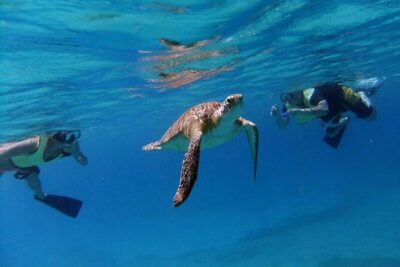
Turtle Cove Catamaran Snorkel and Sail at Little Buck Island STT
Read our review →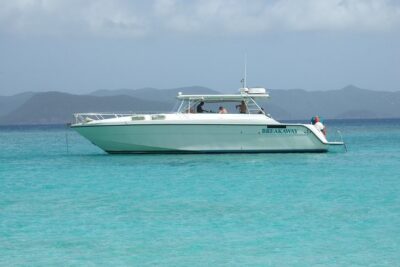
Snorkel St. John Tour from Sapphire and Margaritaville
Read our review →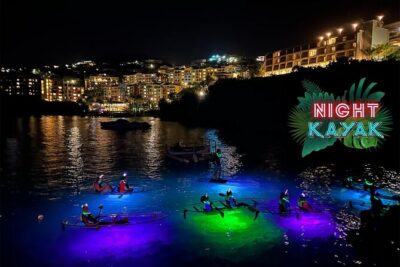
Night Kayak Tour St. Thomas – Westin Frenchman’s Reef
Read our review →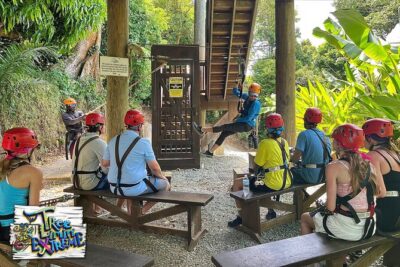
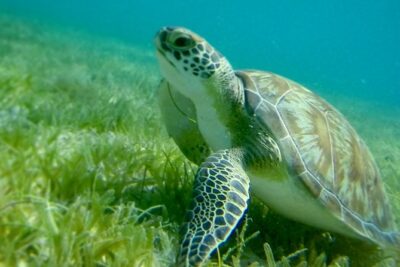
Afternoon Snorkel, Pizza & Sunset Tour departing from St. Thomas & St. John
Read our review →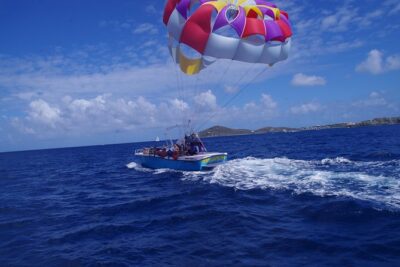
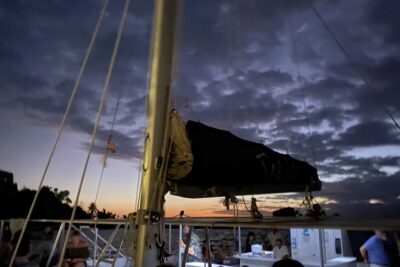
Sunset & Harbor Lights Dinner Sail from the Marriott’s Frenchman’s Cove
Read our review →